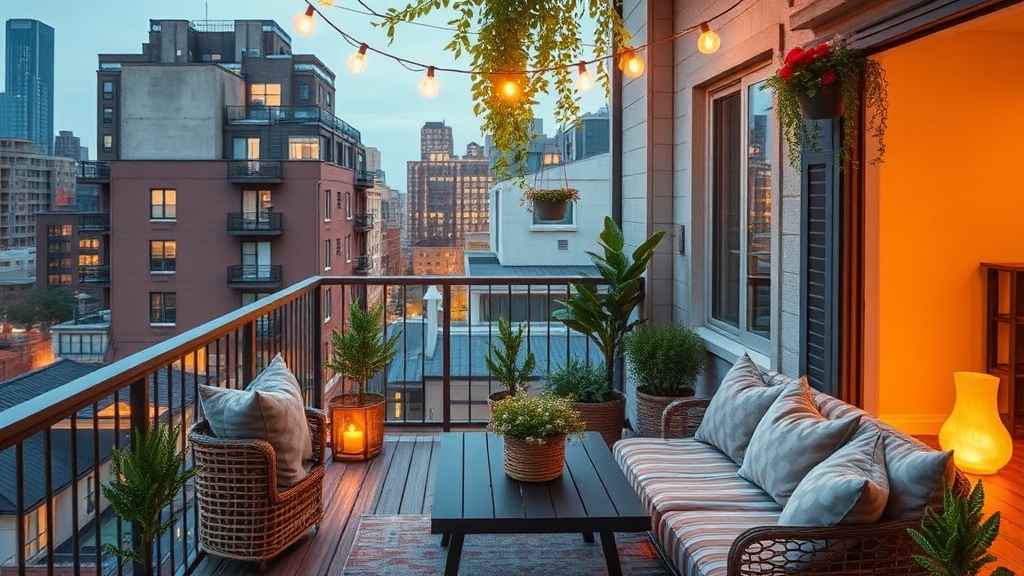
Transform Your Rental Balcony Into a Cozy Outdoor Oasis

Are you staring at a concrete slab with a rusty railing and wondering why it doesn't look like the Pinterest photos you've seen? Most rental balconies are tiny, awkward, and—frankly—a bit depressing. This post breaks down how to turn that cramped outdoor space into a functional extension of your living area using clever furniture, lighting, and greenery. We'll look at way to maximize square footage without losing your security deposit.
How Can I Make a Small Balcony Feel Larger?
You can make a small balcony feel larger by using vertical space and keeping the floor area as clear as possible. Instead of bulky chairs that eat up every inch, look for slim profiles or foldable options. If you have a tiny nook, a small bistro set from a brand like IKEA works wonders. It provides enough room for a coffee cup and a laptop without making the space feel claustrophobic.
Think about your walls. If you have a privacy screen or a trellis, use it. This adds depth and gives you a place to hang things. You don't want to clutter the floor—that's a recipe for a tripping hazard (and a messy look). Instead, use wall-mounted planters or even a small side table that clips onto the railing. It’s a smart way to keep your footprint small while adding style.
One trick I use is choosing furniture with thin legs rather than solid bases. Seeing more of the floor makes the area feel more open. It’s a simple visual trick that works every time. If you're already working on making your indoor space feel bigger, check out my tips on how to make your small kitchen feel more spacious.
A few things to keep in mind regarding space:
- Go Vertical: Use hanging planters or wall-mounted shelves.
- Transparent Materials: Acrylic or thin metal furniture keeps sightlines open.
- The Rug Rule: An outdoor rug can define the space, but don't pick one that is too large; it should leave a border of "empty" space around the edges.
What Are the Best Low-Maintenance Plants for Balconies?
The best low-maintenance plants for balconies are those that can handle the specific light levels and wind conditions of your building's height. If you live on a high floor in a city like Seattle, wind and sun exposure are your biggest hurdles. You want plants that are resilient and don't require a PhD in botany to keep alive.
If your balcony is shaded, go for Snake Plants or ZZ Plants. They are nearly indestructible. If you have direct sun, succulents or Lavender are great choices. They love the light and don't mind if you forget to water them for a day or two. Just remember that even "hardy" plants need a basic level of care.
A good rule of thumb is to check your local USDA Plant Hardiness Zone to see what survives in your specific climate. There's no point in buying a tropical palm if you live in a place that gets frost. It's a waste of money and effort.
Here is a quick comparison of common balcony plants:
| Plant Type | Light Requirement | Water Needs | Best For... |
|---|---|---|---|
| Succulents | High (Direct Sun) | Very Low | Beginners/Hot Balconies |
| Ferns | Low (Shade) | Moderate | Cool, Damp Corners |
| Herbs (Mint/Basil) | Moderate | High | Functional Decor |
| Snake Plant | Any/Low | Very Low | Low-Light/High-Rise |
How Much Does It Cost to Decorate a Rental Balcony?
You can decorate a rental balcony for as little as $50 or as much as $500 depending on your budget and how much "stuff" you want to add. Most of the high-impact changes—like lighting and greenery—are actually quite affordable if you shop around. The key is prioritizing the items that actually change the vibe of the space.
A basic setup might look like this:
- Lighting: A string of LED Edison bulbs or solar-powered fairy lights ($15–$30).
- Seating: A single folding chair or a floor cushion ($20–$40).
- Greenery: Two or three medium pots with hardy plants ($30–$60).
- Textiles: An outdoor rug or a few throw pillows ($25–$50).
That said, if you want a full outdoor lounge area with a weather-resistant sofa, you're looking at a much higher investment. I usually suggest starting small. Buy the lights first. See how the space feels at night. If you love it, then invest in the furniture. It's better to build the space incrementally than to buy a bunch of stuff that doesn't actually fit the vibe once it arrives.
One thing to watch out for is the "hidden" cost of maintenance. If you buy cheap plastic furniture, it might look great for one season but crack under the sun. It's often better to buy one high-quality piece of metal or treated wood furniture than four cheap plastic ones. It's a long-term play.
How Do I Decorate Without Damaging the Building?
Decorate by using non-permanent fixtures like tension rods, command hooks, or free-standing structures that don't require drilling into the walls. Since you're in a rental, you want to avoid any permanent alterations to the building's exterior. This keeps your security deposit safe and keeps your landlord happy.
For example, instead of mounting a heavy planter to the wall, use a freestanding plant stand. If you want to hang lights, use outdoor-rated Command hooks. They are designed to hold weight and can be removed without leaving a mark. This is a lifesaver for anyone living in a managed apartment complex. I've used these for much more than just balconies—you can see how I use Command hooks for damage-free decorating in other parts of the apartment too.
Be careful with weight. Balconies have weight limits for a reason. Don't go stacking heavy stone planters in one corner. It's not just about the building's structural integrity; it's about your safety. If you're using heavy items, distribute them across the balcony rather than clustering them in one spot.
Lighting is another area where you can be careful. Avoid anything that requires permanent wiring. Solar-powered lights are your best friend here. They sit on the railing or the floor, soak up the sun, and provide ambiance without a single wire running into your living room. It's a zero-risk way to add atmosphere. If you're worried about the wind, make sure your lights are secured or weighted down so they don't blow away during a storm.
When it comes to rugs, avoid anything that requires adhesive. A heavy, outdoor-rated rug will stay in place on its own. If you're worried about it sliding, use a non-adhesive rug pad designed for outdoor use. It keeps the rug from bunching up without leaving any sticky residue on the balcony floor.
One final tip: check your lease. Some buildings have very strict rules about what you can put on your balcony. Some won't allow anything hanging over the railing, and others might have rules about certain types of plants or even the color of your outdoor furniture. It's better to know now than to get a warning from management later.