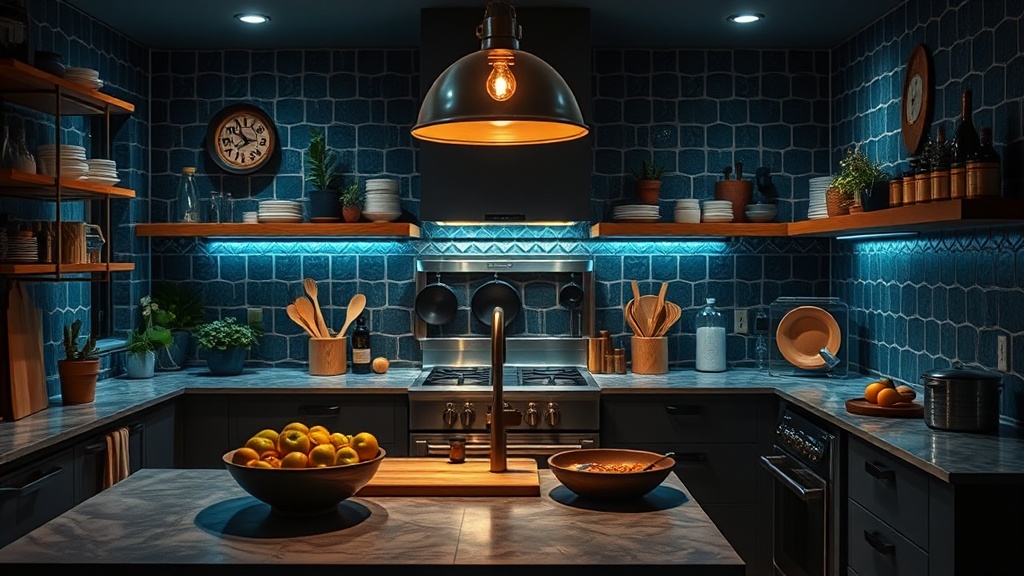
Make Your Small Kitchen Feel Like a Chef's Paradise

You'll learn how to optimize a cramped kitchen layout through strategic organization, lighting upgrades, and high-quality tool selection. This guide focuses on maximizing workspace, improving functional zones, and choosing professional-grade equipment that fits small-scale footprints. We'll look at specific storage solutions and lighting techniques to turn a tiny galley or studio kitchen into a high-performance cooking area.
How Can I Maximize Counter Space in a Small Kitchen?
You can maximize counter space by clearing all non-essential items from your surfaces and moving them to vertical storage. In a small apartment, every square inch of your countertop is precious real estate. If you leave a toaster, a blender, and a coffee maker all sitting out, you won't have room to actually chop an onion.
The first step is a ruthless declutter. If you haven't used that specialized bread maker in six months, it shouldn't be sitting on your counter. Instead, look for vertical solutions. A tiered shelf or a heavy-duty IKEA spice rack can move small items off the main workspace.
Consider using a butcher block over your sink or a rolling kitchen cart. A cart from a brand like Brabantia or even a simple wooden trolley can act as a secondary prep station. This is especially helpful if your kitchen is a narrow galley layout. You can roll it away when you aren't using it, which keeps the kitchen from feeling even smaller during the day.
Another trick is to use the walls. Pegboards are a classic for a reason. You can hang your most-used pans, colanders, and even small measuring cups. This keeps them within reach but keeps the counters clear for actual cooking.
The Vertical Advantage
Vertical storage isn't just about saving space; it's about accessibility. If you have to dig through a deep cabinet to find a lid, you're wasting time.
- Magnetic Knife Strips: These keep your knives accessible and prevent them from dulling in a drawer.
- Magnetic Spice Tins: Stick them to the side of the fridge or a metal backsplash.
- Over-the-Sink Drying Racks: These allow dishes to drip directly into the sink, saving you from a bulky drying mat.
It's a small change, but it makes a massive difference in how much "breathing room" your kitchen has. (And yes, it looks much cleaner than a pile of dishes on the counter.)
What Are the Best Small Kitchen Appliances for Cooking?
The best small kitchen appliances are multi-functional tools that can perform at least two or three different tasks. You want to avoid "single-use" gadgets that take up space but don't provide much value. A high-quality, versatile appliance is much better than three cheap, specialized ones.
If you're working with limited space, look for appliances that can handle a variety of functions. For example, an Air Fryer can also act as a convection oven, which might mean you don't need a full-sized oven for certain tasks. A Ninja Foodi or a similar high-end model can often replace a slow cooker, an air fryer, and a pressure cooker all at once.
Here is a quick breakdown of what to prioritize when buying appliances for a small space:
| Appliance Type | Why It's Worth It | Space-Saving Tip |
|---|---|---|
| Immersion Blender | Replaces bulky stand mixers for soups and sauces. | Store in a drawer, not on the counter. |
| Electric Kettle | Faster than a stovetop for tea or coffee. | Get one with adjustable temperature settings. |
| Compact Coffee Maker | Essential for morning routines. | Look for a slim-profile model like a Nespresso. |
| Cast Iron Skillet | Lasts a lifetime and works on stovetops or in ovens. | One pan can do almost everything. |
One thing to keep in mind: don't buy the "budget" version of something you'll use every single day. A cheap, flimsy toaster might save you twenty bucks now, but it'll end up in a landfill in a year. It's better to invest in a single, reliable piece of equipment. If you're worried about the cost of high-end kitchen gear, check out my post on what not to buy full price.
How Do I Improve Kitchen Lighting for Better Functionality?
You improve kitchen lighting by adding layers of light—specifically task lighting—rather than relying on a single overhead fixture. Most apartments have one central light that creates shadows right where you're trying to chop vegetables. This is both annoying and a safety hazard.
To fix this, you need to look at task lighting. Task lighting is light that is directed specifically at the areas where you work, like the countertop or the stove. If you have under-cabinet space, this is your best friend. You don't necessarily need to hire an electrician to fix this.
LED light strips are an incredible option. You can get Phillips Hue light strips or even much cheaper, battery-operated or plug-in versions that stick under your cabinets with adhesive. They are easy to install and instantly make the kitchen feel more professional.
If you're renting and can't change the fixtures, look into plug-in sconces or even high-quality rechargeable desk lamps for a temporary setup. Most importantly, avoid relying on the "big light." If you want your kitchen to feel high-end, you need to create different zones of light.
I've spent a lot of time thinking about how light affects the mood of a room. If you're interested in how to fix your lighting setup more broadly, you should read my guide on fixing your apartment lighting. It's a fundamental part of making a small space feel intentional rather than cramped.
Creating Ambiance and Utility
The goal is a balance between utility (being able to see your knife) and ambiance (making the space feel cozy). A bright, clinical light is great for cleaning, but it's terrible for a late-night snack.
Try to use warm-toned bulbs for your ambient light and cooler, brighter bulbs for your task areas. This distinction helps your brain recognize the kitchen as a functional workspace during the day and a comfortable part of your living area in the evening.
A professional kitchen isn't just about the tools; it's about the environment. When you have the right light, you actually enjoy the process of cooking more. It stops being a chore and starts being a hobby.
If you're still struggling with organization, remember that even the most expensive tools won't help if you don't have a place to put them. Keep your tools close, keep your counters clear, and don't be afraid to use the vertical space above your head.
A well-organized kitchen is a small victory. It makes the daily ritual of making a meal feel less like a struggle against your architecture and more like a controlled, enjoyable process.