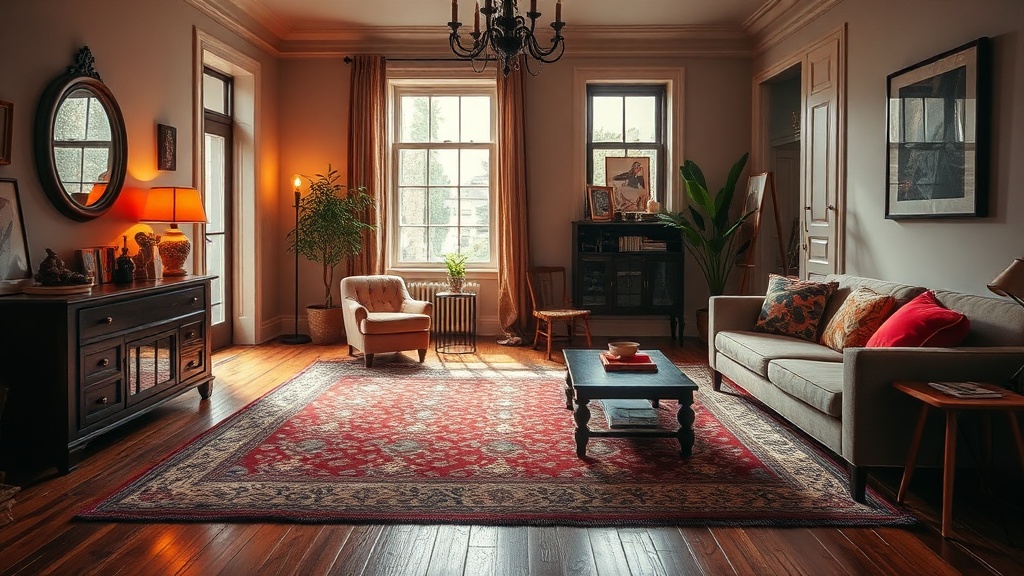
Stop Using Area Rugs to Hide Ugly Floors and Try These Instead

You walk into your living room and notice a corner of a cheap, beige carpet peeking out from under a small rug, or perhaps a scratched laminate floor that looks more tired than intentional. Most renters and first-time homeowners react by buying a larger, more expensive area rug to cover the damage. While rugs are great for comfort, using them as a bandage for ugly flooring creates a "patchwork" look that makes a room feel smaller and cluttered. Instead of hiding the floor, you should focus on changing how the eye perceives the surface through lighting, furniture placement, and structural accents. This guide covers practical ways to distract from subpar flooring without spending hundreds on a rug that will eventually fray at the edges.
The Problem with the "Rug Bandage" Method
When you rely solely on area rugs to hide ugly floors, you create a visual hierarchy where the rug becomes the only "good" thing in the room. This often results in a room that feels disjointed. If you have a high-quality sofa but a cheap, stained carpet underneath, the contrast actually highlights the low quality of the flooring rather than masking it. Furthermore, in small apartments, large rugs can actually make a space feel cramped if they aren't sized perfectly. Instead of a quick fix, you need to manipulate the visual weight of the room.
Use Layered Lighting to Change Floor Perception
The most effective way to hide a floor isn't to cover it, but to change how much of it you actually see. Harsh, direct light from a ceiling fixture casts shadows and highlights every scratch, stain, or uneven seam in your flooring. When you use bright overhead lights, you are essentially putting a spotlight on your floor's flaws.
Instead, implement a lighting strategy that directs the eye upward or toward specific focal points. Use floor lamps with warm bulbs to create pools of light that illuminate your seating area rather than the ground. If you use layered lighting instead of harsh overhead lights, you create a soft glow that draws attention to your furniture and wall decor. A tripod floor lamp or a sleek arched lamp can cast light onto a side table or a plant, effectively pulling the viewer's gaze away from the floor surface.
- Floor Lamps: Use a way of directing light upward toward the walls to create an ambient glow.
- Table Lamps: Place these on side tables or consoles to create "islands" of light that define specific zones.
- LED Strips: If you have a bookshelf or a media console, placing an LED strip behind it creates a backlighting effect that makes the furniture pop and minimizes the visibility of the floor beneath it.
Strategic Furniture Placement and Visual Weight
The way you position your furniture can act as a natural barrier for the eye. If you have a particularly bad patch of flooring—like a dark stain in a corner or a cracked tile near a doorway—use furniture to block the sightline entirely. This isn't just about hiding the floor; it's about creating a sense of intentionality in your layout.
Use Large-Scale Pieces to Anchor the Room
Instead of a small rug that looks like a postage stamp on a bad floor, use a large piece of furniture to ground the space. A low-profile sideboard or a long media console creates a horizontal line that directs the eye across the room rather than down to the floor. If you are working with a tiny studio, look for smart furniture pieces that have a solid base. A piece of furniture with a heavy, solid base will visually "occupy" more of the floor area, making the actual flooring underneath it less noticeable.
Create Vertical Interest
The goal is to move the eye from the floor to the walls. You can achieve this by adding height to your room. Tall indoor plants like a Fiddle Leaf Fig or a Monstera draw the eye upward. Large-scale wall art, leaning mirrors, or even floor-to-ceiling curtains can shift the room's focus. A leaning oversized mirror is particularly effective because it reflects light and adds depth, making the viewer focus on the reflection of the room rather than the texture of the floor.
Use Texture and Color to Reframe the Space
If you absolutely must use something on the floor, stop thinking about "area rugs" and start thinking about "floor treatments." A single, high-quality runner in a high-traffic hallway or a textured jute mat in a kitchen can look like a design choice rather than a cover-up. The key is to ensure the texture of your floor treatment complements the room rather than fighting it.
For example, if you have ugly, dark wood laminate, a light-colored linen runner provides a sharp, intentional contrast. If you have a beige carpet that feels dated, adding a textured wooden bench or a woven basket near the wall breaks up the monotony of the color and adds a layer of sophistication that a rug cannot provide.
The Power of Color Palettes
The color of your walls directly affects how much the floor stands out. If you have dark, unattractive flooring, painting your walls a bright, crisp white can sometimes make the floor look even darker and more prominent. To mitigate this, try using mid-tone colors or "greige" (a mix of grey and beige) to create a smoother transition between the walls and the floor. This creates a cohesive environment where the floor feels like a natural part of the color scheme rather than an outlier.
Practical Alternatives to Area Rugs
If your goal is to improve the look of your apartment without a full renovation, consider these three specific alternatives to the standard area rug:
- Floor Decals and Vinyl Stickers: If you have ugly tile in a bathroom or kitchen, you can use peel-and-stick vinyl floor decals. These are temporary, renter-friendly, and can mimic the look of expensive Moroccan tile or marble. This is a much better solution than trying to find a rug that fits a weirdly shaped bathroom floor.
- Furniture with "Legs": Avoid furniture that sits flush against the floor (like certain heavy sofas or boxy coffee tables). Furniture with tapered legs (Mid-Century Modern style) allows light and air to pass underneath, making the floor look more integrated and less like a solid block of "bad" surface.
- Statement Baskets: Use large, woven seagrass or wicker baskets to fill empty corners. These add texture and a sense of "fullness" to a corner, effectively masking a bad floor patch without the need for a rug that might slide around.
Summary Checklist for Improving Floor Aesthetics
Before you head to the home goods store to buy another rug, go through this checklist to see if you can fix the problem using design principles instead:
- Check your lighting: Am I using harsh overhead lights that highlight floor imperfections?
- Check your sightlines: Is there a piece of furniture or a plant that could block the view of that specific floor stain or crack?
- Check your height: Does the room feel too "low"? Can I add a tall plant or hanging art to draw the eye up?
- Check your contrast: Is the color of my floor clashing with my furniture? Can I use a different wall color to bridge the gap?
Designing a space is about managing attention. An area rug is a blunt instrument; lighting, furniture placement, and verticality are precision tools. Use the latter to create a home that feels curated and intentional, regardless of what is underneath your feet.
Steps
- 1
Assess the Surface
- 2
Try Peel and Stick Vinyl Tiles
- 3
Use Large Scale Furniture Placement
- 4
Apply Floor Decals for Small Areas