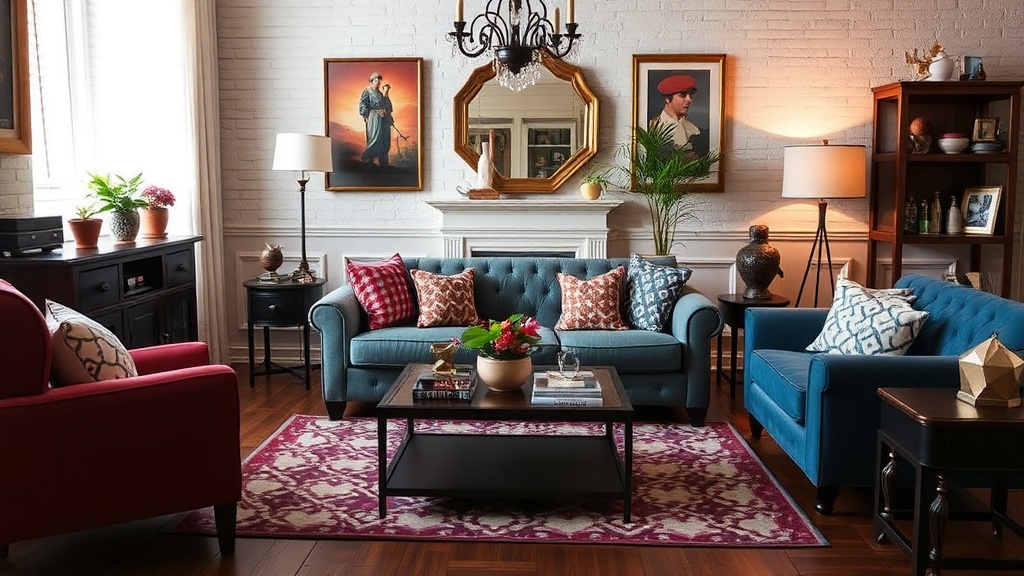
Stop Buying Matching Furniture Sets and Mix Your Styles Instead

Are you staring at a living room that feels more like a showroom floor than a home? The easiest way to furnish a first apartment is to go to a big-box retailer like IKEA or West Elm and buy a complete living room set—the sofa, the coffee table, and the media console all in the same wood finish or fabric color. While this is efficient, it often results in a space that lacks personality and feels sterile. This post explains why you should stop buying matching furniture sets and how you can begin mixing different styles, materials, and eras to create a curated, intentional interior.
The Problem with Matching Sets
Matching sets are designed for convenience, not character. When you buy a coordinated collection, you are essentially letting a corporate designer make all the aesthetic decisions for you. The result is a "flat" room where every piece of furniture has the same visual weight and the same level of detail. This lack of contrast makes a room feel uninspired and predictable.
Furthermore, matching sets limit your future flexibility. If you buy a matching walnut dining set and later decide you want a more modern, minimalist look, you cannot easily introduce a single piece of new furniture without it clashing with the existing set. By moving away from sets, you build a modular home that can evolve as your tastes and budget change.
The "High-Low" Strategy
One of the most effective ways to mix styles is the high-low method. This involves investing in a few high-quality, "anchor" pieces while sourcing more affordable, trendy items for secondary accents. An anchor piece is something you will use every day and that should ideally be built to last. For a living room, this is usually your sofa or your dining table. You might spend more on a heavy, structured sofa from a brand like Article or a high-end vintage leather piece.
Once you have your anchor, you can fill the rest of the space with lower-cost items. This might include a glass coffee table from a thrift store, a colorful rug from a local market, or even a budget-friendly side table from Target. The contrast between a substantial, expensive-looking sofa and a lighter, more affordable coffee table creates visual interest and prevents the room from feeling one-dimensional.
Mixing Materials and Textures
A room filled with only wood or only metal feels cold and unfinished. To create a layered, professional look, you must intentionally mix different materials. A successful room often contains a balance of hard and soft, matte and shiny, and natural and manufactured surfaces.
- Wood and Metal: If you have a heavy oak dining table, pair it with matte black metal chairs or a steel floor lamp. The warmth of the wood offsets the industrial feel of the metal.
- Stone and Fabric: A marble coffee table provides a hard, reflective surface that looks exceptional when paired with a soft, textured fabric sofa or a chunky knit throw blanket.
- Glass and Natural Fibers: If your space feels cluttered, use glass or acrylic pieces—like an acrylic Ghost Chair or a glass-topped side table—to add functionality without adding visual weight. Pair these with organic textures like a jute rug or linen curtains to keep the room feeling cozy.
When you are selecting pieces, look at the "finish" of the material. A highly polished, glossy surface (like a lacquered side table) looks best when it is positioned near something matte or textured (like a linen armchair) to provide a point of contrast.
How to Use a Color Palette to Unify Different Styles
The biggest fear people have when mixing styles is that the room will look messy or chaotic. The secret to making disparate pieces look like they belong together is a cohesive color palette. You do not need every piece of furniture to be the same color, but they should all exist within a shared tonal family.
There are two main ways to approach this:
- The Monochromatic Approach: Choose one base color and use different shades, tints, and textures of that color throughout the room. For example, a room could feature a navy blue velvet sofa, light blue linen pillows, and a slate gray rug. Even if the furniture styles are different—one mid-century modern and one traditional—the shared color family creates a sense of order.
- The Neutral Base with Accents: Keep your large furniture pieces (sofa, bed, dining table) in neutral tones like beige, gray, or black. Then, use your accessories—pillows, art, and small tables—to introduce color. This is the safest way to experiment because it is easy to swap out a colorful pillow for a different one as your taste changes.
If you are worried about your walls feeling too plain, remember that you can also use texture to add depth. Instead of just painting a wall a flat color, consider the way light hits different surfaces. If you have a lot of hard surfaces in your room, like a wooden floor and a metal desk, you might want to layer your windows with curtains to add softness and dampen sound.
Mixing Eras: The Rule of Three
A common mistake is trying to mix too many eras at once. If you have a Mid-Century Modern sideboard, a Victorian-style armchair, and an Industrial-era metal desk all in one small studio apartment, the room will feel like a museum of confusion rather than a home.
A better rule of thumb is the "Rule of Three." Try to limit your primary design styles to three distinct eras or aesthetics. A successful combination might look like this:
- Modern + Vintage + Natural: A sleek, modern white sofa (Modern), a vintage teak coffee table (Mid-Century/Vintage), and plenty of greenery and jute textures (Natural/Bohemian).
- Industrial + Traditional + Minimalist: A heavy wooden dining table with metal legs (Industrial), classic white molding on the walls (Traditional), and simple, clean-lined lighting (Minimalist).
By sticking to three pillars, you ensure that each piece has a "friend" in the room. The vintage coffee table feels at home because the modern sofa provides a clean backdrop, and the greenery ties the two together. This creates a sense of intentionality rather than accidental clashing.
Practical Steps to Transitioning Your Space
If you currently live in a room full of matching sets, do not feel like you have to replace everything at once. That is an expensive and overwhelming way to decorate. Instead, follow these steps to slowly introduce more varied elements.
1. Start with Accessories and Small Objects
The easiest way to break up the monotony of a matching set is to add items that don't belong to that set. If you have a standard black desk from a big-box store, don't leave it bare. Add a ceramic lamp, a brass tray for your pens, and a textured desk mat. These small deviations in material and color begin to break the visual "set" identity.
2. Swap Out One Major Element
Once you feel comfortable with small accessories, choose one piece of furniture to replace. If you have a matching bedroom set, keep the bed frame but replace the nightstands with something completely different—perhaps a small wooden stool or a metal pedestal table. This small change will immediately change the energy of the room.
3. Focus on the Floor and Walls
The floor and walls are the largest surfaces in your home. If your furniture is all one style, use these surfaces to introduce a different vibe. A large, textured area rug can ground a room and provide a transition between different types of furniture. If your furniture feels too "heavy" or "matchy," you might want to use an area rug to define a space and add a layer of pattern or texture that breaks up the visual lines of the furniture.
Final Thoughts on Curating Your Home
The goal of interior design isn't to create a perfect, unchangeable space; it is to create an environment that reflects your personality. A home filled with a mix of textures, eras, and materials tells a story of where you have been and what you like. It shows that you have taken the time to hunt for a specific piece at a thrift store or that you have thoughtfully paired a new purchase with an old heirloom. Stop looking for the "complete set" and start looking for the pieces that actually speak to you.