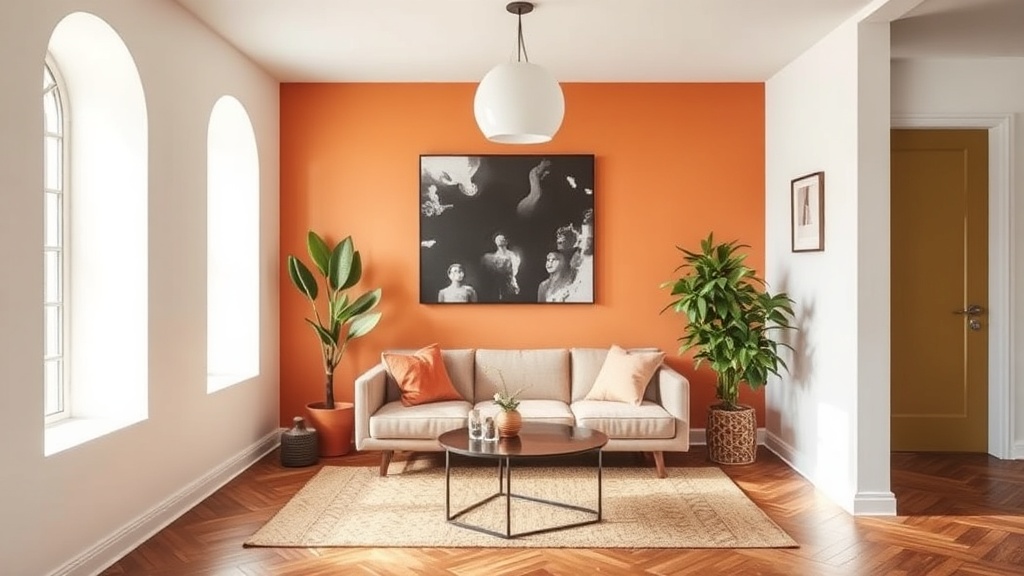
Small Space, Big Style: Mastering the Minimalist Aesthetic

Let’s be real for a second: the "minimalist aesthetic" on Pinterest and TikTok is a lie. Most of those photos are shot in 2,000-square-foot lofts with white oak floors and zero clutter. They aren't showing you the reality of living in a 450-square-foot studio where your "office" is also your "dining room" and your "bedroom."
When I watched my brother try to furnish his first studio, he fell into the classic trap. He bought a massive, plush velvet sofa because it looked "aesthetic," and within a week, he couldn't even walk to his kitchenette without bruising his shins. He spent $1,200 on a piece of furniture that effectively shrank his apartment by 15 percent. That’s not minimalism; that’s a bad investment.
True minimalism isn't about having an empty room. It’s about intentionality. It’s about making sure every single item you own serves a purpose—either functional or deeply joyful—and that it doesn't fight for precious square footage. If you’re renting, you can’t remodel, and you can’t knock down walls. You have to work with the bones you’ve been given. Here is how to master the look without losing your mind (or your security deposit).
1. The Golden Rule: Function Over "The Look"
Before you click "Add to Cart" on that trendy mid-century modern coffee table, ask yourself one question: "Does this serve more than one purpose?" In a small rental, a single-use item is a luxury you simply cannot afford. If a piece of furniture only does one thing, it’s taking up space that could be used for something else.
Prioritize Multi-Functional Pieces
I want you to look for furniture that works overtime. This is where you save money in the long run. Instead of buying a coffee table and a separate ottoman, buy a storage ottoman. Instead of a standard bed frame, look for a platform bed with built-in drawers.
- The Nesting Table Strategy: Instead of one large coffee table, use nesting tables. You can tuck them away when you need floor space for yoga, and pull them out when friends come over.
- The Drop-Leaf Desk: If you work from home, do not buy a massive executive desk. A drop-leaf table can serve as your desk from 9 to 5, and a dining table at 7.
- Vertical Storage: If you can't go wide, go up. A tall, slim bookshelf uses the same footprint as a small end table but offers five times the storage.
Pro-tip from your big sister: Avoid anything with "fluff." No massive, overstuffed armchairs. They are space-killers. Look for furniture with legs—specifically tapered legs. Seeing the floor continue underneath the furniture creates an optical illusion of more space.
2. Curating a Cohesive Color Palette
One of the biggest mistakes people make when trying to decorate a small space is buying too many disparate colors. In a large house, you can have a "maximalist" room and a "minimalist" room. In a studio, your living room is your bedroom. If your bedding is neon orange and your sofa is forest green, the visual noise will make the room feel chaotic and cramped.
The 60-30-10 Rule
To keep things looking professional and intentional, use a structured color palette. This is the easiest way to make a cheap rental look like a high-end boutique hotel.
- 60% Primary Color (Neutral): This should be your walls (or your largest pieces like the sofa/rug). Stick to whites, creams, greys, or soft beiges. This keeps the space feeling airy and bright.
- 30% Secondary Color (Texture/Depth): This is where you add warmth. Think wood tones, linen textures, or a slightly deeper shade of your primary color.
- 10% Accent Color (Personality): This is where you get to be "you." A single velvet pillow, a piece of art, or a ceramic vase. Because it’s only 10%, it won't overwhelm the room.
Don't fear the white, but don't rely on it entirely. A room that is 100% white feels like a hospital. You need texture to make a minimalist space feel "homey." A chunky knit throw blanket or a jute rug adds depth without adding "clutter."
3. Managing the "Visual Noise"
"Visual noise" is the term I use for all the little things that make a room feel messy. In a small apartment, clutter isn't just a mess; it's a psychological weight. If every surface is covered in mail, keys, remote controls, and half-empty water bottles, your brain will never feel "at rest."
"Minimalism isn't about the absence of things; it's about the presence of order."
The Art of Hidden Storage
If you can see it, it’s clutter. To master the minimalist aesthetic, you need to hide the "ugly" parts of life. This doesn't mean you have to live in a vacuum, it just means you need a designated home for everything.
- Cable Management: Nothing ruins a sleek aesthetic faster than a tangle of black wires hanging from a lamp or TV. Buy cable sleeves or use command hooks to hide wires behind furniture legs.
- Uniform Containers: If you have open shelving in your kitchen or bathroom, stop using the mismatched packaging the products came in. Transfer spices to uniform glass jars or soaps to matching dispensers. It’s a small cost that yields a massive visual return.
- The "One-In, One-Out" Rule: This is my non-negotiable rule for renters. If you buy a new decorative candle, an old one has to go. If you buy a new sweater, an old one goes to donation. This prevents your small space from slowly becoming a storage unit.
4. Lighting: The Secret Weapon
Standard apartment lighting is usually terrible. You have one harsh overhead light that makes everything look yellow and depressing. If you rely solely on the "big light," you will never achieve that soft, minimalist vibe.
To make a small space feel expensive and intentional, you need to layer your lighting. This creates "zones" in a room, which is crucial if you are living in a studio.
Creating Zones with Light
Instead of turning on the ceiling light, use three different types of light to define your areas:
- Task Lighting: A slim, adjustable desk lamp for your workspace.
- Ambient Lighting: A floor lamp with a warm bulb in the corner of your "living" area to soften the edges of the room.
- Accent Lighting: A small, battery-operated LED light or a candle on a side table to draw the eye to a specific texture or piece of art.
A Note on Bulbs: Always check the Kelvin rating on your bulbs. For a cozy, minimalist home, you want "Warm White" (around 2700K). Avoid "Daylight" bulbs (5000K+) unless you are in a kitchen or bathroom; they are too clinical and will make your home feel like a convenience store.
5. The "Less is More" Decor Philosophy
I see so many people move into their first apartment and immediately go to Target to buy five different "decorative" items for their coffee table. Stop. You are creating a graveyard of things you don't actually like.
In a small space, every object is a statement. If you have five small trinkets, they look like clutter. If you have one large, beautiful ceramic bowl, it looks like a design choice.
How to Choose Decor
When shopping, use the "High-Low" method. Spend more on the things you touch every day (your rug, your bed sheets, your actual chair) and save on the things that are just there for show (vases, picture frames, candle holders).
Avoid "Micro-Decor": Skip the tiny figurines, the small seasonal knick-knacks, and the endless piles of small books. These items gather dust and create visual friction. Instead, opt for one or two "hero" pieces. A single large piece of art on a blank wall is much more impactful—and much more "minimalist"—than a gallery wall of twelve small, cheap prints that you'll want to replace in six months.
Final Thoughts: Your Home is a Living Space, Not a Museum
Look, I’m telling you to be picky because I don't want you to look back in a year and realize you've filled your tiny apartment with junk that makes you feel claustrophobic. Minimalism is a tool to help you enjoy your space, not a set of rules to make your life more difficult.
If you love a bright, colorful, cluttered life, then don't be a minimalist. But if you want a home that feels like a sanctuary—a place where you can actually breathe amidst the chaos of adulthood—then start being ruthless. Be intentional. Buy less, but buy better. Your square footage will thank you.