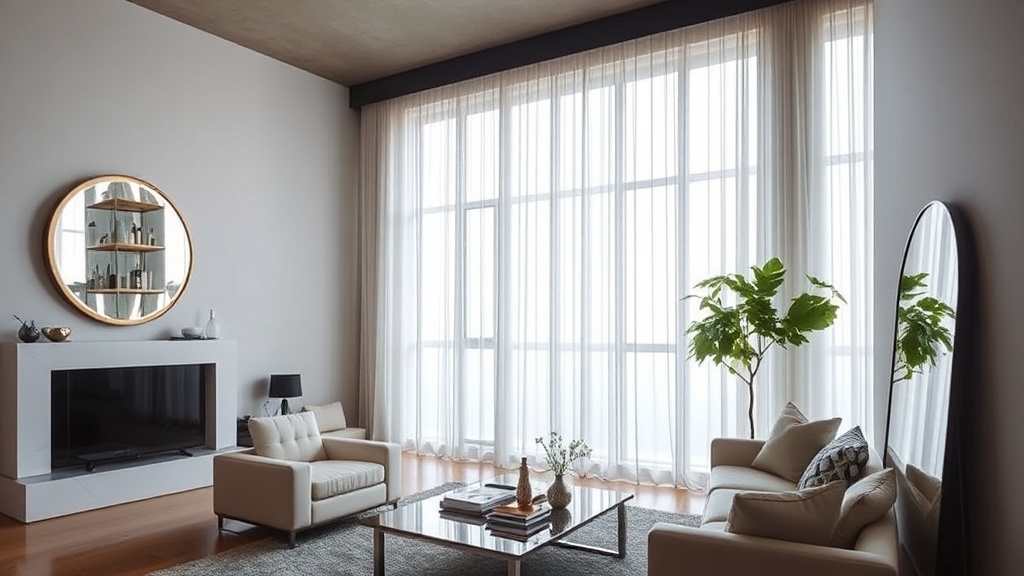
Small Space Big Impact: Using Mirrors to Brighten Your Living Room

Are you tired of staring at a living room that feels cramped, dark, and slightly claustrophobic? Mirrors are one of the most effective tools for adding depth and light to a small space without a full renovation. This post breaks down how to select, place, and style mirrors to make your Seattle apartment feel twice as large. We'll look at specific placement strategies, the best types of mirrors for different lighting scenarios, and how to avoid common design mistakes.
How Do I Use Mirrors to Make a Small Living Room Look Bigger?
You make a room look bigger by placing mirrors opposite light sources or windows to bounce light deep into the room. It isn't just about the reflection; it's about the illusion of depth. When a mirror reflects a clear view—like a window or a piece of art—it tricks the eye into thinking the wall has disappeared.
Think about your layout. If you have a heavy, dark velvet sofa that makes the room feel "bottom-heavy," a large floor mirror leaning against the wall can offset that weight. It adds a vertical element that draws the eye upward.
Placement is everything. A common mistake is hanging a mirror in a dark corner where it just reflects a blank, beige wall. That does nothing for the vibe. Instead, aim for the "path of light." If sunlight hits your coffee table at 2:00 PM, place a mirror nearby to catch that glow and throw it across the room.
Pro Tip: If you're in a rental, don't go drilling holes into the drywall. Use heavy-duty command strips or leaning mirrors to avoid losing your security deposit. If you haven't read my guide on saving your security deposit, you should check that out first.
Types of Mirrors for Different Styles
Not all mirrors are created equal. The frame and the glass type change the entire energy of the room. Here is a quick breakdown of what to look for:
| Mirror Type | Best For... | Visual Impact |
|---|---|---|
| Full-Length Leaning | Small apartments with high ceilings | Adds height and a sense of openness |
| Round/Circular | Breaking up straight lines in modern rooms | Softens the "boxiness" of a small space |
| Sunburst/Decorative | Adding a focal point above a console | Creates a centerpiece without bulk |
| Window-Pane Mirror | Rustic or industrial-style living rooms | Mimics the look of an actual window |
Where Should I Hang a Mirror in a Living Room?
The best place to hang a mirror is directly across from a window or a primary light source to maximize brightness. This strategy turns your mirror into a light-delivery system. By positioning it strategically, you can brighten up a dim corner that usually feels neglected.
If your living room is a single-room studio layout, use a mirror to define zones. A medium-sized mirror hung on the wall behind a dining table or a small desk can create a "boundary" that separates that area from the lounging space. It acts as a visual anchor.
Consider these three specific locations:
- Above the Sofa: This is the classic choice. A horizontal mirror above a couch mimics the shape of the furniture and makes the wall feel less imposing.
- The "Window" Trick: If your apartment has a view of a brick wall or a narrow alley, place a large mirror on the wall facing that view. It brings a "fake" view into the room.
- Corner Placement: Placing a tall, thin mirror in a corner can eliminate the "dead" feeling of an empty corner. It makes the room feel more circular and fluid.
I once tried to hang a massive, heavy-framed mirror above my sideboard using only tiny nails. It was a disaster (and a very loud one). Don't be like me. Always check the weight capacity of your wall hooks. If you're using a heavy piece like something from IKEA, make sure you have the right hardware to support it.
What Size Mirror Do I Need for a Small Living Room?
The ideal mirror size depends on your wall space, but generally, a larger mirror provides a more significant impact on room size than several small ones. A single large-scale mirror creates a singular, bold statement, whereas multiple small mirrors can sometimes look cluttered and "busy" in a tight space.
If you have a small wall, don't try to crowd it with five tiny mirrors. It looks messy. Instead, go for one substantial piece. A large round mirror, for example, can soften the sharp edges of a TV stand or a bookshelf.
Here is how to decide on the scale:
- Measure your wall first. Leave at least 6-10 inches of "breathing room" on either side of the mirror so it doesn't look squeezed.
- Check the scale of your furniture. A tiny mirror above a massive sectional sofa will look out of place. It's a common design pitfall.
- Test with painter's tape. This is a lifesaver. Before you buy anything, tape out the dimensions of the mirror on your wall. It helps you visualize the footprint.
If you're working with a very tight budget, look at the Target home section for affordable, lightweight options. You can often find sleek, frameless mirrors that don't add "visual weight" to the room.
Speaking of budget, if you're trying to make your space feel high-end without the high-end price tag, check out my previous post on making your first apartment feel like home. It covers similar ground regarding decor density and style.
Avoid These Common Mirror Mistakes
It's easy to go overboard. A room full of mirrors can actually feel disorienting or even "hall of mirrors" creepy if you aren't careful. You want a sense of depth, not a dizzying reflection-fest.
One thing to watch out for is what the mirror is reflecting. If you place a mirror directly across from a cluttered bookshelf or a messy kitchen counter, you've just doubled the mess. I've seen this happen way too often in studio apartments. The mirror becomes a window into your unmade bed or a pile of laundry.
Make sure the "reflection view" is something you actually want to see. A view of a plant, a piece of art, or a clean window is ideal. If you're reflecting a cluttered corner, move the mirror. It's a simple fix that saves the aesthetic of the whole room.
Also, watch the height. A mirror hung too high looks like it's "floating" away from the room. A mirror hung too low can make the ceiling feel lower. Aim for eye level—or slightly above—to keep the proportions natural.
Don't forget the lighting aspect. If you're using a mirror to boost light, make sure you aren't creating a glare that hits your TV screen directly. There's nothing worse than trying to watch a movie and being blinded by a reflection of a lamp every time you move.