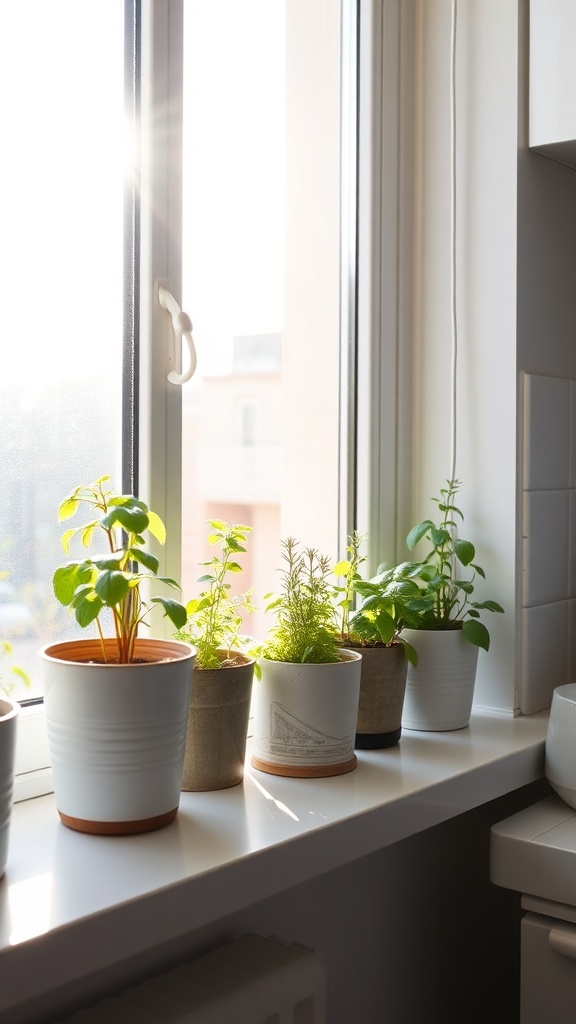
Lease‑Safe Indoor Gardening: Grow Fresh Herbs & Veggies This Spring

Ever dreamed of snipping fresh basil for your pasta without having to ask a landlord for permission? This spring, you can turn that dream into a reality—without a single drill hole or risk to your security deposit.
Why does indoor gardening matter to renters right now?
Spring brings longer days, brighter light, and a natural craving for fresh flavors. For renters, growing herbs and tiny veggies is a cheap way to boost meals, improve indoor air quality, and add a splash of green that won’t violate lease clauses. According to the University of Illinois Extension, a sunny windowsill can provide enough light for basil, mint, and parsley when positioned correctly.
What lease‑safe tools do you need?
- Self‑watering containers. Look for 1‑gal pots with built‑in reservoirs—these keep soil moist without daily watering.
- Command™ strips or adhesive hooks. They hold lightweight planters and trellises without leaving holes.
- LED grow lights. A plug‑in strip that clips onto a bookshelf provides consistent light for winter‑shade windows.
- Peat‑free potting mix. It’s lighter, drains better, and reduces the risk of water damage on floors.
Which herbs and veggies thrive in a rental‑friendly spot?
Choose varieties that stay compact and love direct sunlight (5‑6 hours). Here’s a quick cheat sheet:
| Plant | Light | Space | Harvest |
|---|---|---|---|
| Basil | Full sun | 12‑inch pot | Every 2‑3 weeks |
| Mint | Partial shade | 8‑inch pot (contain spread) | Continuous |
| Parsley | Bright indirect | 10‑inch pot | 6‑8 weeks |
| Micro‑greens | Low light | Shallow tray | 10 days |
| Cherry tomatoes (dwarf) | Full sun + grow light | 12‑inch pot + stake | 8‑10 weeks |
How do you set up a lease‑safe herb garden step‑by‑step?
- Pick a sunny window. South‑ or west‑facing windows give the best light. If you only have north light, add a compact LED grow light.
- Mount containers with Command™ strips. Attach the strip to the window sill, press the pot’s base, and you have a sturdy, damage‑free holder.
- Fill with peat‑free mix. Add a layer of gravel for drainage, then top with the mix.
- Plant your herbs. Follow spacing guidelines on the seed packet. Water lightly until soil is moist.
- Set a watering schedule. Use the self‑watering reservoir or a simple water‑ing indicator to avoid over‑watering.
- Harvest responsibly. Snip just above a leaf node to encourage new growth. Rotate pots every few weeks for even light exposure.
What are common lease‑safe mistakes (and how to avoid them)?
- Over‑watering. Excess water can seep into flooring. Use saucers and check for standing water daily.
- Heavy pots. A 5‑gal terracotta can weigh 30 lb. Opt for lightweight plastic or fabric grow bags.
- Ignoring landlord policies. Some leases ban “any permanent fixtures.” Command™ strips are classified as temporary, but double‑check the fine print.
- Choosing shade‑loving plants for sunny spots. They’ll wilt, prompting you to replace them and waste money.
Where can you find affordable, lease‑safe supplies?
Check the FB Marketplace for gently used planters and LED strips. Many Chicago renters sell “move‑in ready” garden kits for under $15. For brand‑new items, the Target garden aisle often has 2‑for‑1 deals on self‑watering pots.
Takeaway
With a sunny window, a few Command™ strips, and a couple of self‑watering containers, you can grow fresh herbs and tiny veggies without breaking your lease. Your meals will taste better, your air will feel cleaner, and you’ll have a green sanctuary that’s 100 % landlord‑approved.
Need more plant ideas? Check out our Lease‑Safe Indoor Plants for Spring guide. If you want a full 30‑day container garden plan, see The 30‑Day Renter Container Garden Plan. For tech‑savvy growers, our Smart‑Home Gadget roundup shows the best LED grow lights under $30.