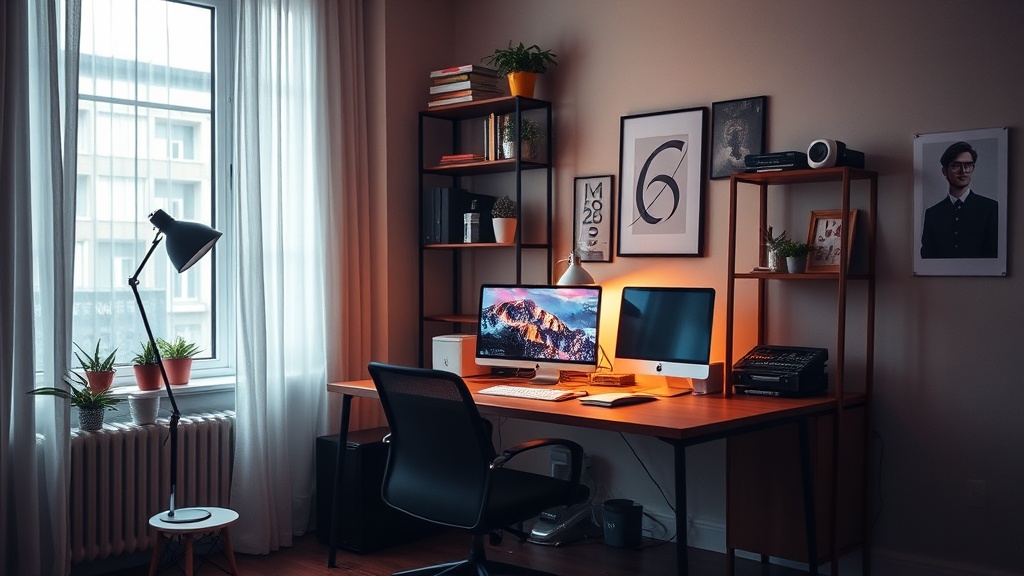
Crafting a Productive Work Zone in Your First Compact Apartment

Setting Up Your Home Office in a Small Space: A Guide for First-Timers
Working or studying from home, even occasionally, has become the norm for many. But what do you do when your first apartment — cozy as it may be — offers limited square footage? Don't despair; transforming a small corner or even a closet into a dedicated, productive workspace is entirely achievable. This guide will walk you through the practicalities of identifying an ideal spot, selecting the right furniture and tools, and implementing strategies to maintain focus and work-life balance, all within the confines of your compact living situation.
Where Do You Even Begin to Carve Out Office Space?
The first step in establishing a functional home office is a thorough assessment of your apartment's layout. Think beyond obvious spaces. Are there any underutilized nooks, awkward alcoves, or perhaps a section of a wall that's currently just collecting dust? Consider your daily routines and how different areas of your apartment are used throughout the day.
- The Corner Office (Literally): A small, often overlooked corner in a living room or bedroom can be surprisingly effective. You might only need enough width for a compact desk and chair.
- The Alcove Advantage: If your apartment features an architectural alcove, seize it! These recessed areas are naturally suited for creating a sense of enclosure and separation.
- The Closet Conversion (Cloffice): A less conventional but highly effective solution for those seriously tight on space. By removing doors and installing shelves or a slim desk, a closet can become a surprisingly private and distraction-free zone. The beauty here is you can literally 'close' off your work at the end of the day.
- Behind the Sofa: If your living room allows, placing a narrow console table or a slim desk behind your sofa can create a neat, unobtrusive workspace. It defines the area without needing extra wall space.
As you scout potential locations, keep a few practical considerations in mind: natural light and power outlets. Position your workspace near a window if possible; natural light reduces eye strain and can significantly boost your mood and alertness. Ensure there are accessible power outlets for your devices, or plan for discreet cable management solutions if outlets are scarce.
What Essential Gear Maximizes Productivity in a Tiny Footprint?
Once you've identified your prime real estate, it's time to equip it. The key here is multifunctionality and compactness. You don't need a sprawling executive desk; smart choices make all the difference.
- The Desk: Prioritize sleek, space-saving designs. Look for wall-mounted floating desks, fold-down options that disappear when not in use, or narrow console tables that can double as entryway furniture or display surfaces. A compact secretary desk offers storage and a work surface that closes up neatly.
- The Chair: An ergonomic chair is non-negotiable for long-term comfort and health. If a full-sized office chair feels too bulky, opt for an armless model that can tuck completely under your desk. Alternatively, consider an ergonomic cushion and lumbar support for a dining chair if that's your only option. Your body will thank you for maintaining a neutral posture. For comprehensive guidelines on setting up an ergonomic workstation, check out the