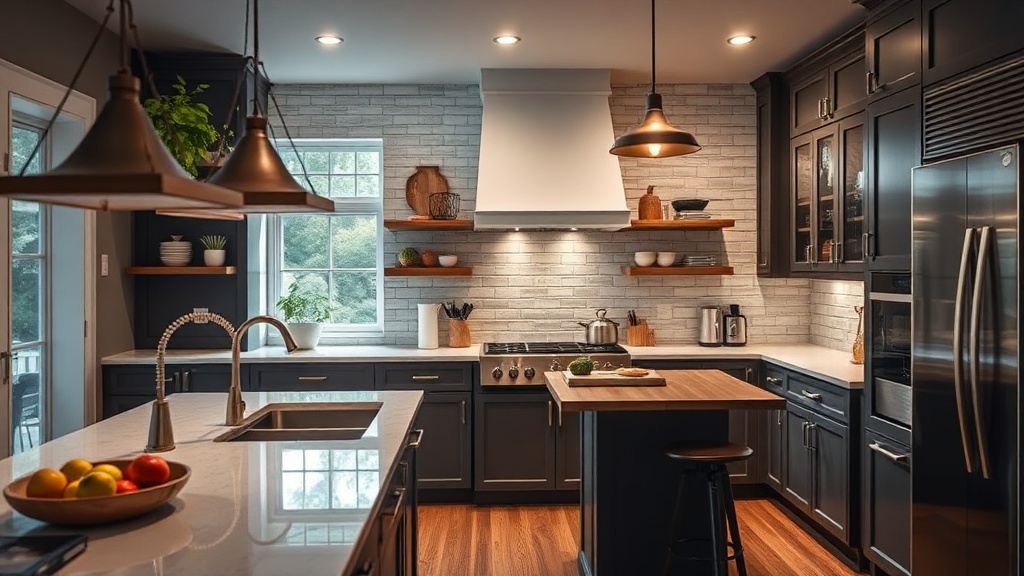
Building a High-Quality Kitchen with Rental-Friendly Upgrades

Why Most People Fail at Upgrading Rental Kitchens
Most people assume that if they don't own the property, the kitchen is a permanent, unchangeable fixture. They think they're stuck with that dated laminate countertop or those beige cabinets for the next three years. This is a mistake. You don't need to gut a kitchen to change how it looks or functions. The real issue isn't the lack of permission from a landlord; it's a lack of creativity in how you apply temporary solutions. A kitchen is a high-traffic zone, and while you can't install a new backsplash, you can certainly change the visual weight and texture of the room without losing your security deposit.
This guide covers the specific ways you can transform your kitchen's aesthetic and functionality using non-permanent methods. We'll look at texture, lighting, and organization. Whether you're dealing with a tiny studio kitchenette or a full-sized apartment kitchen, these tactics work by focusing on the details that usually go ignored.
Can You Change Kitchen Cabinet Colors Without Permanent Paint?
If you're staring at outdated wood grain or a flat white finish that feels cold, you might feel stuck. A common misconception is that you have to paint the cabinets—which is a terrible idea for a renter. Instead, look toward contact paper or peel-and-stick films. High-quality vinyl wraps can mimic wood, matte finishes, or even marble. The key here is choosing a brand that is specifically labeled as removable. If you use cheap, low-grade adhesive, you'll be scrubbing glue off those doors when it's time to move out.
When applying these films, precision is everything. You'll want to use a squeegee to prevent air bubbles and a heat gun (or even a hairdryer) to help the edges conform to the corners. This adds a layer of sophistication that makes a basic kitchen look custom-built. If you're worried about the cost, remember that a single roll of high-quality contact paper covers significantly more surface area than you think. It's a low-risk way to inject some personality into the most functional room in your home.
How Do I Fix Bad Kitchen Lighting?
Standard apartment lighting is often harsh, overhead, and frankly, a bit depressing. If your kitchen feels like a hospital wing, the problem usually isn't the light bulbs themselves—it's the lack of layers. Relying solely on a single central ceiling fixture creates heavy shadows and makes prep work difficult. You need to introduce secondary light sources to create depth.
Consider these three layers of lighting:
- Task Lighting: Use battery-operated, rechargeable LED strips under your upper cabinets. These stick on with adhesive and provide direct light to your cutting board or sink area.
- Ambient Lighting: Instead of the harsh overhead light, try a small, cordless lamp on your countertop. It adds a soft glow that makes the room feel lived-in and warm.
- Accent Lighting: If you have a small dining nook or a breakfast bar, a small, portable lamp can change the entire mood of the space.
A great resource for understanding how light temperature affects a room's mood is the Architectural Digest archives, which often discuss the interplay of light and space. Moving away from "big light" culture is the fastest way to make a rental kitchen feel like a designer space.
What Are the Best Ways to Organize Small Countertops?
A cluttered countertop isn't just an eyesore; it's a functional failure. In a small apartment, every inch of counter space is a premium resource. People often try to hide everything in cabinets, but that leads to a disorganized mess inside the cupboards. The best approach is to use vertical space and modular systems.
Instead of letting your spices and oils clutter the workspace, use a tiered tray or a rotating lazy Susan. This keeps everything accessible but contained. If you have a tiny kitchen, look at a wall-mounted magnetic strip for your knives or a small rail system for your utensils. This clears the surface area for actual cooking. If you need inspiration for functional, beautiful organization, check out The Spruce for endless ideas on small-scale storage solutions.
One thing to watch out for is the weight of your organizers. If you're using adhesive hooks or rails, make sure they are rated for the weight of the items you're hanging. There is nothing worse than a spice rack sliding down your backsplash in the middle of the night. Always test a small area first. If you're using a countertop appliance like a toaster or a coffee maker, try to group it with other items to create a "station" rather than letting it sit as an isolated piece of clutter.
"The goal isn't just to hide the mess, but to create a system where everything has a home that doesn't take up precious workspace."
Texture also plays a massive role in how "finished" a kitchen feels. A simple linen tea towel draped over the oven handle or a wooden cutting board leaning against the backsplash can break up the monotony of a flat, plastic-looking kitchen. These small, tactile additions add the warmth that a standard rental lacks. It's about adding layers of material—wood, stone, fabric—to make the space feel intentional rather than accidental.
If you're dealing with an ugly backsplash, don't try to replace the tile. Use peel-and-stick subway tiles. They are thin enough that they won't interfere with your countertop, and they provide that classic, high-end look for a fraction of the cost. Just ensure you're using a high-quality product that won't leave a residue when it's time to vacate. This is a high-impact change that makes a massive difference in how much you enjoy spending time in your kitchen.