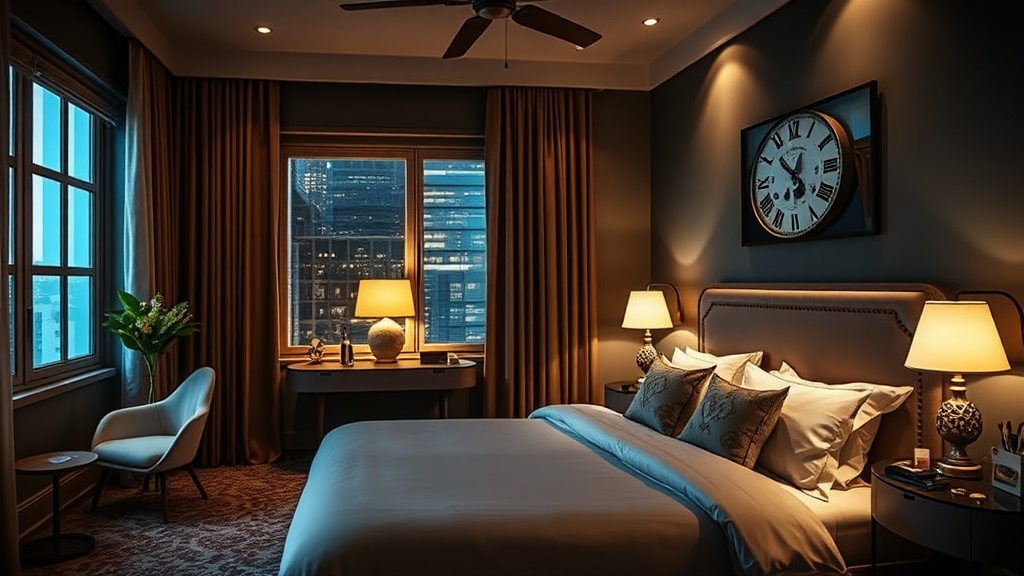
6 Ways to Make Your Rental Bedroom Feel Like a Boutique Hotel

Layer Your Bedding with Textures
Ditch the Overhead Light for Warm Lamps
Add a Large Scale Area Rug
Use High-End Scented Candles or Diffusers
Hang Floor-to-Ceiling Curtains
Incorporate Natural Elements Like Wood and Linen
Imagine walking into a high-end hotel room in downtown Seattle. The lighting is soft, the bed looks impossibly plush, and there is a distinct sense of calm that makes you want to stay for an extra hour. Now, imagine walking into a standard rental bedroom with harsh overhead lights, a mismatched duvet, and a cluttered nightstand. The difference isn't just about the price tag; it is about intentionality and sensory layers. This guide provides six practical, renter-friendly strategies to elevate your bedroom from a basic sleeping space to a boutique-style sanctuary without losing your security deposit.
1. Layer Your Lighting to Eliminate Overhead Harshness
The quickest way to ruin a hotel aesthetic is by using the "big light"—the single, bright overhead fixture found in most rental apartments. Boutique hotels rely on "layered lighting," which means using multiple light sources at different heights to create warmth and depth. Instead of relying on one bright source, aim for three distinct layers: ambient, task, and accent lighting.
Start by adding bedside lamps with fabric or textured shades. A ceramic base from a place like West Elm or a sleek metal lamp from Target provides soft, diffused light that is much easier on the eyes before sleep. For task lighting, if you have a desk or a vanity in your room, use a small, directed lamp. To add a sense of luxury, incorporate accent lighting like a floor lamp in a corner or even a rechargeable, cordless LED lamp on a bookshelf. These small additions allow you to control the mood and prevent the room from feeling clinical.
If your rental lacks outlets near your bed, do not run extension cords across the floor. Instead, use high-quality, braided fabric cords or a sleek power strip tucked behind a nightstand. This keeps the visual clutter low and maintains the premium feel of the space.
2. Invest in High-Quality Bedding and Textures
In a boutique hotel, the bed is the undisputed centerpiece. Most renters make the mistake of buying a single, thin comforter and calling it a day. To achieve that voluminous, expensive look, you need to layer different textures and materials. This is often referred to as the "hotel bed" method.
Start with a high-thread-count cotton or linen sheet set. Linen is particularly effective because it has a natural, slightly wrinkled texture that looks sophisticated and lived-in. Once your base is set, add a heavy duvet or a down alternative comforter. To get that "cloud" effect, choose a duvet insert that is one size larger than your duvet cover; for example, use a King-sized insert inside a Queen-sized cover. This extra loft makes the bed look much more substantial.
Layering continues with pillows and throws. Use two standard sleeping pillows, two large Euro shams (the large square pillows that sit against the headboard), and one or two smaller decorative accent pillows. Finally, drape a weighted knit throw or a faux-fur blanket across the foot of the bed. This adds a tactile element that makes the room feel curated rather than just functional.
3. Use Large-Scale Art to Create a Focal Point
Small, cluttered frames can make a bedroom feel cramped and disorganized. Boutique hotels often use large-scale art to create a sense of grandeur and a clear focal point. Since you are in a rental, you cannot drill large holes into the walls, but you can use heavy-duty Command Striors or leaning art techniques.
Instead of a gallery wall of ten small pictures, choose one large, impactful piece of art to hang above your headboard. A large framed canvas or a high-quality textile wall hanging can ground the room. If you are worried about wall damage, consider a large leaning mirror. A floor-length mirror, such as the oversized arched mirrors popular at IKEA, does more than just reflect light to make the room look bigger; it adds a sense of architectural scale that standard bedroom setups lack.
When selecting art, look for pieces with a cohesive color palette. If your room is neutral, a single pop of deep navy or forest green in a large print can provide the "designer" touch without overwhelming the space. If you are looking to upgrade other areas of your home with a similar high-end feel, check out our guide on how to make your rental kitchen look high end, as many of these principles regarding scale and color apply across different rooms.
4. Optimize Your Nightstand and Surface Styling
A cluttered nightstand is a visual distraction that breaks the "hotel" illusion. In a luxury setting, surfaces are curated to hold only the essentials, presented in a way that feels intentional. This means moving the clutter—like charging cables, half-empty water bottles, and piles of books—out of sight.
To achieve a clean look, use a small decorative tray on your nightstand. A marble or wooden tray can house your phone, a watch, and a glass of water, making them look like a styled vignette rather than a mess. For your electronics, use a wireless charging pad that is aesthetically pleasing, or hide your cords using a cable management box. This prevents the "nest" of white and black wires that often plagues rental bedrooms.
If you have a larger dresser or a vanity in the room, apply the same rule. Instead of leaving skincare bottles scattered, group them on a glass or ceramic tray. This creates a sense of order. If you struggle with keeping surfaces clear, you might find our tips on how to organize your tiny apartment bathroom helpful for managing smaller, high-use surfaces in other parts of your home.
5. Add Natural Elements and Greenery
A room that feels "sterile" is often a room that lacks organic shapes and living elements. Boutique hotels frequently incorporate greenery to soften the hard lines of furniture and add a sense of vitality. Plants also help improve air quality, which is essential for a restful sleep environment.
For a bedroom, choose plants that are low-maintenance and thrive in indirect light. A large Fiddle Leaf Fig or a Rubber Plant can act as a living piece of furniture in a corner. If you have limited floor space, a trailing plant like a Pothos on a high shelf adds a beautiful, cascading effect. If you are worried about your green thumb, a high-quality faux plant from a place like Target or even a dried eucalyptus arrangement in a ceramic vase can provide the same visual benefit without the maintenance.
When selecting your planters, avoid the plastic pots the plants come in. Instead, nest your plants in ceramic, terracotta, or stone vessels. This small detail elevates the plant from a "houseplant" to a "design element." If you find your plants are struggling, be sure to read our guide on why your apartment plants keep dying to ensure your new bedroom greenery stays lush.
6. Scent and Sound: The Invisible Design Elements
A truly high-end experience engages more than just the eyes. To make your bedroom feel like a boutique hotel, you must address the sense of smell and sound. This is the "invisible" layer of interior design that many people overlook.
For scent, avoid cheap, overwhelming air fresheners. Instead, use a reed diffuser or a high-quality soy candle. Scents like sandalwood, cedar, amber, or lavender are classic "hotel" scents that promote relaxation. A reed diffuser is particularly useful for a rental because it provides a constant, subtle scent without the fire hazard of a candle or the maintenance of an electronic diffuser. Place it near your bed or on a dresser where the air circulation will carry the scent gently throughout the room.
For sound, the goal is to mask the urban noises of a city like Seattle—traffic, sirens, or neighbors. A white noise machine or a dedicated sound machine can create a consistent, calming background hum. If you prefer something more natural, many people use high-quality Bluetooth speakers to play low-volume ambient soundscapes or lo-fi beats. This control over your auditory environment is what transforms a bedroom from a place where you simply sleep into a place where you truly decompress.