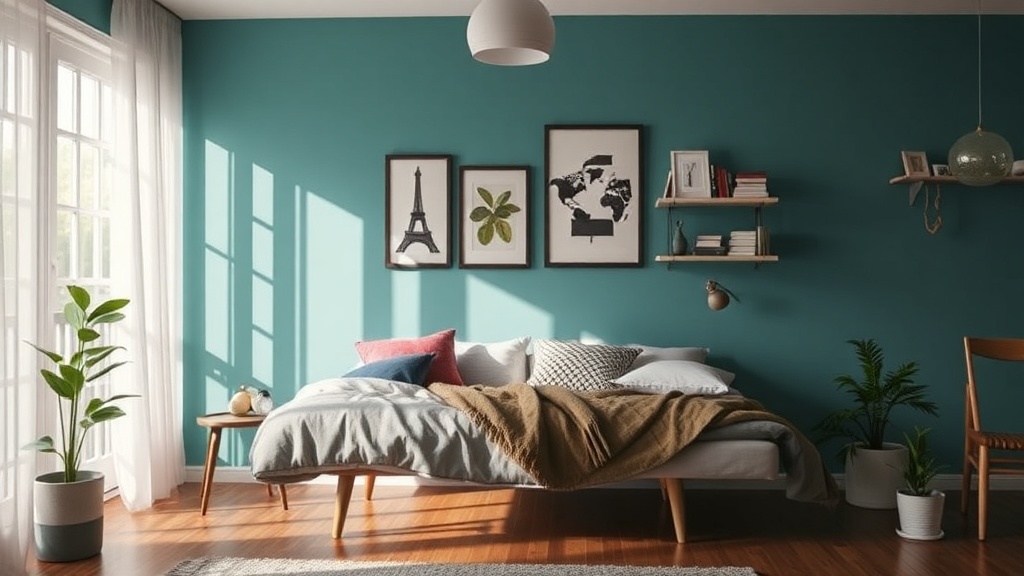
10 Small Space Storage Hacks for Your First Apartment

Moving into your first apartment means facing a universal challenge: there's never quite enough storage space. This post covers ten practical storage hacks specifically designed for small apartments—solutions that maximize square footage without breaking the bank or requiring major renovations. Whether you're dealing with a studio in Capitol Hill or a one-bedroom in Ballard, these strategies will help you create breathing room in cramped quarters.
What Storage Solutions Work Best in Studio Apartments?
Vertical storage systems and multi-functional furniture deliver the biggest impact in studio layouts. When floor space is at a premium, the only direction to grow is up.
Start with the over-door organizer—not just for shoes anymore. The Elfa Utility Door & Wall Rack from The Container Store mounts over any standard door and holds cleaning supplies, pantry items, or bathroom essentials. At around $60, it's cheaper than adding cabinetry.
Next, consider tension rods as dividers. A simple shower curtain rod installed inside a closet creates an instant second hanging tier for shirts and blouses. The catch? You need to distribute weight evenly or the rod will sag. Worth noting: the Room Essentials Tension Rod at Target ($8-15 depending on length) includes rubber end caps that won't damage paint—a real concern when you're trying to get your security deposit back.
For studios with awkward nooks, floating shelves from CB2 or West Elm transform dead wall space into display and storage. The Acacia Floating Shelf runs $39-79 and holds about 15 pounds per bracket when properly anchored into studs.
How Do You Create Storage in a Rental Without Damaging Walls?
Command strips, tension-based systems, and freestanding furniture units allow you to add storage without drilling holes or losing your deposit.
3M's Command product line has evolved far beyond picture hooks. The Command Large Utility Hooks hold up to 5 pounds each and work for bikes, heavy bags, or kitchen pots. For heavier items, the Command Picture Hanging Strips support frames up to 16 pounds—no studs required.
Freestanding bookshelves serve as room dividers in studio apartments. The Billy Bookcase from IKEA ($79-149) has been a go-to for decades because it's narrow (11 inches deep) and comes in multiple heights. Position one perpendicular to a wall and you've created distinct "rooms" without construction.
Here's the thing about adhesive storage: temperature matters. Command strips fail in bathrooms where steam weakens the adhesive. That said, suction-cup storage from OXO or SimpleHuman performs better in humid environments. The OXO StrongHold Suction Basket ($14.99) uses a lever-lock mechanism that actually works on tile and glass.
Where Should You Put Storage in a Tiny Kitchen?
Inside cabinet doors, under shelves, and above the refrigerator—every overlooked surface becomes storage real estate in a compact kitchen.
The space above your fridge is typically 12-24 inches of wasted vertical room. A rolling pantry (like the Slim Rolling Storage Cart from IKEA's VESKEN line, $12.99) slides into that gap and holds spices, canned goods, or cleaning supplies. Most standard refrigerators leave 66-72 inches of height clearance—plenty of room for a four-tier rolling unit.
Under-shelf baskets add a second layer inside existing cabinets. The mDesign Under Shelf Basket ($9.99 on Amazon) hangs from existing shelves and creates space for mugs, wraps, or small containers. You can fit two per standard 24-inch cabinet depth.
For counter clutter, magnetic solutions work wonders. The Magnetic Knife Strip from Williams Sonoma ($29.95) frees up drawer space and looks intentional rather than cluttered. Similarly, magnetic spice tins attach to your refrigerator side—Gneiss Spice sells sets of small magnetic jars ($65 for 24) that turn your fridge into a functional spice rack.
| Storage Solution | Best For | Price Range | Rental-Friendly? |
|---|---|---|---|
| Over-door organizers | Closets, bathrooms, pantries | $15-75 | Yes—no drilling |
| Tension rods | Closets, under sinks, windows | $8-25 | Yes—spring-loaded |
| Floating shelves | Display, books, plants | $25-100 | No—requires anchors |
| Freestanding shelving | Room division, heavy storage | $80-300 | Yes—completely portable |
| Adhesive hooks | Light items, temporary needs | $5-15 | Yes—removable |
| Rolling carts | Kitchen gaps, bathroom supplies | $25-80 | Yes—mobile |
Bathroom Storage That Doesn't Look Like a Dorm Room
Sophisticated bathroom storage combines concealed and display options—woven baskets for bulk items, glass canisters for daily essentials.
The MOSSLANDA Picture Ledge from IKEA ($9.99) mounted above the toilet creates instant shelving without the bulk of a cabinet. It's 21 inches long and 3 inches deep—perfect for small bottles and rolled hand towels. Paint it the same color as your walls and it virtually disappears.
For under-sink chaos, tiered organizers make everything visible. The iDesign + Joseph Joseph CupboardStore ($24.99) has two tiers that pull out independently. Here's the thing: measure your plumbing first. Many apartment sinks have exposed P-traps that eat into available space.
Shower storage deserves attention too. The SimpleHuman Shower Caddy ($39.99) hangs from the showerhead rather than suctioning to tile, so it won't crash down mid-shampoo. The adjustable shelves accommodate oversized conditioner bottles—something cheaper caddies rarely manage.
Bedroom Hacks for Closets That Are Too Small
Closet systems, slim hangers, and under-bed containers triple your clothing storage without expanding the closet footprint.
Switch to velvet slim hangers immediately. The Amazon Basics Velvet Suit Hangers (pack of 50 for $23) take up half the space of plastic hangers and prevent clothes from slipping. That simple swap often creates 30% more rod space instantly.
Under-bed storage containers handle out-of-season clothing. The IRIS USA Under Bed Storage Box ($16.99) is 5.5 inches tall—low enough to slide under most platform beds but deep enough for winter coats and spare linens. Worth noting: measure your bed frame clearance before buying. Many "under bed" containers are actually too tall for modern platform frames.
For closet floors, stackable shoe bins from The Container Store maximize vertical space. The Clear Stackable Shoe Drawer ($9.99 each) interlocks and holds up to men's size 13. Stack six high and you've stored a dozen pairs in two square feet of floor space.
Living Room Storage That Multitasks
Ottomans with storage, nesting tables, and media consoles with cabinets hide clutter while serving daily functions.
The Söderhamn Ottoman from IKEA ($199) opens to reveal storage for blankets and pillows—critical in a studio where the living room doubles as bedroom seating. For smaller budgets, the Room Essentials Storage Ottoman at Target ($45) performs the same function at a quarter of the price.
Nesting tables provide surface area when entertaining, then tuck away when not needed. The Vittsjö Nesting Tables from IKEA ($59.99) have glass tops and metal frames—visually light so they don't overwhelm small spaces.
Cable management counts as storage too. The Bluelounge CableBox ($29.95) hides power strips and excess cord length inside a simple plastic box. Place it behind your TV stand and suddenly the tangle of HDMI and power cables disappears.
Entryway Solutions for Apartments Without One
Wall-mounted drop zones and narrow consoles create functional entryways in open-concept layouts.
A floating shelf with hooks mounted at 5-6 feet high serves as coat rack, mail drop, and key station. The Knoxville Wall Shelf with Hooks from World Market ($79.99) includes a small ledge for sunglasses and mail, plus four hooks for bags and jackets. Mount it on the wall nearest your door—psychologically, that becomes your "entryway" even in a studio.
Shoe storage near the door prevents dirt from tracking through your apartment. The Shoe Cabinet from IKEA's HEMNES line ($99) is only 8.5 inches deep but holds 12 pairs behind two tilt-out compartments. It doubles as a surface for keys and mail.
Budget Breakdown: What to Spend Where
Not all storage solutions deserve equal investment. Here's where to splurge and where to save:
- Splurge on: Closet systems you'll use daily, mattress storage for expensive bedding, and anything supporting heavy items (shelving units, wall anchors)
- Save on: Bathroom organizers, temporary solutions like over-door hooks, and decorative baskets that just sit on shelves
- Skip entirely: Bulky storage "systems" that require assembly and can't move with you, drawer organizers that don't fit your actual drawers
The small space storage guides at Apartment Therapy offer additional visual inspiration and room-specific solutions.
Mistakes First-Time Renters Make
Buying storage before measuring, ignoring vertical space, and choosing aesthetics over function create more problems than they solve.
Measure three times: the space where storage will live, the path it travels to get there (stairs and doorways matter), and the items it's meant to hold. That beautiful vintage dresser from Facebook Marketplace means nothing if it won't fit through the stairwell.
Vertical space intimidates people—there's fear of heights, heavy items, or damaging walls. But the top 12 inches of any closet, the space above kitchen cabinets, and the wall area near ceilings represent massive untapped storage. Real Simple's vertical storage guide demonstrates safe ways to access high storage.
Finally, beware of "organizing porn"—beautiful Instagram pantries with matching containers. Those systems require maintenance and often hide what you own. Clear containers beat opaque baskets when you're rushing to find something. Labels help, but transparent storage helps more.
How Do You Maintain Storage Systems Long-Term?
The one-in-one-out rule and seasonal reassessments prevent storage solutions from becoming clutter themselves.
Every new item entering your apartment requires something else to leave. New coat? Donate an old one. New kitchen gadget? Ditch the one you never use. This isn't minimalism for aesthetics—it's physics. Your apartment has fixed square footage.
Twice yearly—when you change clocks for daylight saving—audit your storage. Empty bins, check expiration dates, and honestly assess what you accessed since the last audit. Containers that stay full of untouched items aren't storage. They're delayed trash.
That said, good storage should feel almost invisible. When everything has a designated place, putting things away becomes automatic rather than a chore. The best storage hack isn't a specific product—it's creating systems so intuitive that maintaining them requires zero willpower.
Small apartments force creativity, but that constraint often produces better solutions than sprawling spaces where clutter spreads unchecked. These ten hacks address the specific pain points of first apartments: limited closets, rental restrictions, tight budgets, and multifunctional rooms. Start with the strategies that match your biggest pain point, implement one at a time, and build systems that actually fit how you live.